Outdoor Hub: Bipartisan bill targets invasive species threatening U.S. fisheries
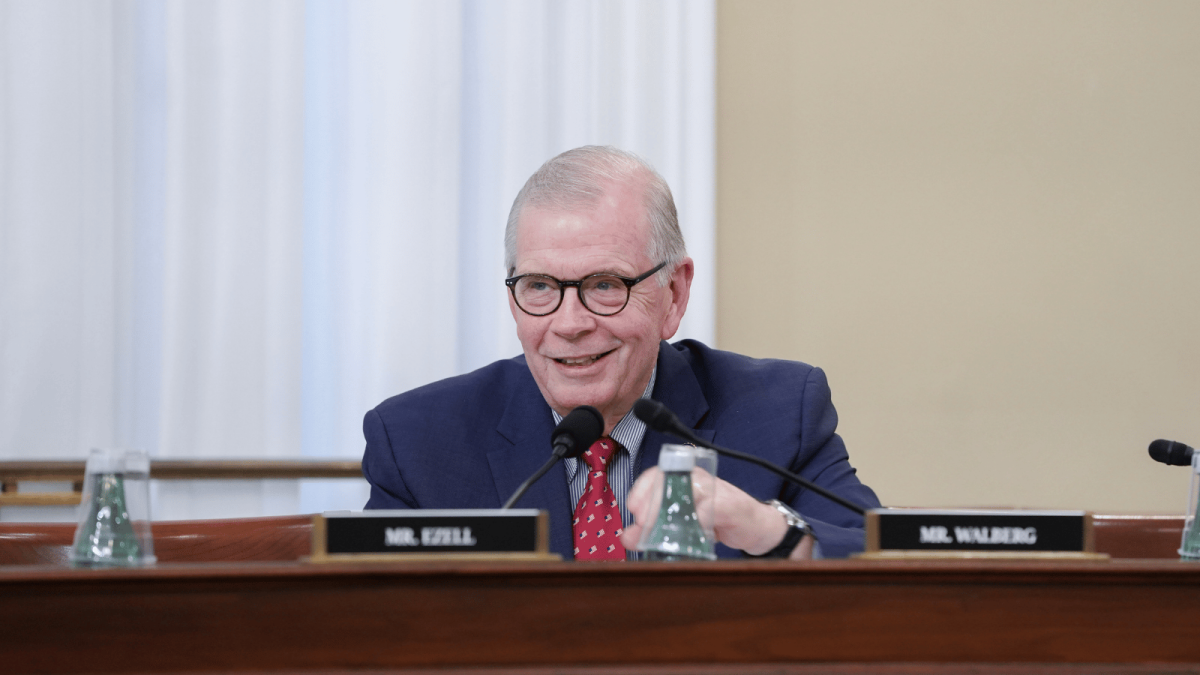
Federal lawmakers are pushing a major new effort to slow the spread of aquatic invasive species across U.S. waterways with a bipartisan bill backed by fishing and boating organizations nationwide.
U.S. Reps. Tim Walberg and Sarah Elfreth introduced the Aquatic Invasive Species Control and Prevention Act, legislation designed to modernize how federal and state agencies respond to invasive species threatening fisheries, boating access, and aquatic ecosystems across the country.
The bill comes as invasive species continue spreading through major waterways including the Great Lakes and Chesapeake Bay. Species such as quagga mussels, invasive carp, blue catfish, zebra mussels, sea lamprey, and snakehead fish have caused widespread ecological damage while also impacting local economies tied to fishing, boating, tourism, and outdoor recreation.
According to the bill’s sponsors, the legislation would improve coordination between existing federal, state, and regional invasive species programs while prioritizing prevention and rapid response efforts before infestations become more costly to manage. The proposal would also support state-led management strategies and establish grants for research and technology development focused on controlling or eradicating aquatic invasive species.
“The strength of Michigan’s economy is directly tied to the long-term health of the Great Lakes,” Walberg said in a statement. He added that the legislation would help protect fisheries and outdoor recreation economies by streamlining coordination and improving rapid response efforts.
Elfreth pointed to invasive blue catfish in the Chesapeake Bay, invasive carp in the Great Lakes, and snakehead fish in North Carolina as examples of how widespread the problem has become.
“It’s clear that no community or district, Democrat and Republican alike, is safe from the ecological and economic harms caused by invasive species,” Elfreth said.
The legislation has already received support from 18 national fishing and boating organizations, including the American Sportfishing Association, National Marine Manufacturers Association, Theodore Roosevelt Conservation Partnership, and BoatU.S.
American Sportfishing Association President Glenn Hughes called the proposal “the most comprehensive modernization of federal aquatic invasive species policy in decades.”
Industry groups say invasive species continue damaging fisheries, limiting boating access, clogging infrastructure, and reducing sportfishing opportunities nationwide. Supporters argue stronger national coordination will become even more important as shipping activity, warming water temperatures, and interconnected waterways continue helping invasive species spread into new areas.